

 Reviewed by
When a loved one dies due to negligence, neglect or abuse in a nursing home in Florida, the loss is often devastating. A wrongful death in the family, regardless of your relationship to the decedent, takes a toll emotionally, financially, and practically.
Fortunately, under the Florida Wrongful Death Act (Fla. Stat. §§ 768.16–768.26), surviving family members can file a wrongful death claim to seek damages for the harm done.
However, it’s not always obvious who has the legal right to bring such a lawsuit — and who can recover compensation. Florida law is clear that the statutory survivor is based on relationship to the deceased person. So can a child bring a wrongful death claim if there is a living spouse? Can a grandchild claim wrongful death damages? What about a sibling of the deceased?
Our Florida nursing home abuse attorneys explain, in detail, who may file and who may recover under Florida law in nursing home wrongful death cases.
Who Brings the Claim: The Role of the “Personal Representative
First and foremost: only one person or entity can formally file a wrongful death lawsuit in Florida, even in cases arising from nursing home negligence. That person is the decedent’s personal representative. In other states, the P.R. is sometimes called executor or administrator.
Here is how the Personal Representative is decided in a nursing home wrongful death case:
- If the deceased left a will, the will may name the personal representative.
- If there was no will, the probate court will appoint someone. Oftentimes this is a close relative such as a spouse or adult child.
How the Personal Representative advances the nursing home wrongful death claim:
- The personal representative “brings” the lawsuit on behalf of the estate and all eligible survivors; the survivors themselves do not file individual lawsuits.
What if the Personal Representative does not want to bring a wrongful death lawsuit, but another survivor wants to bring the case?
- The Personal Representative can be replaced by the Probate Court. The role of personal representative carries fiduciary duties to the estate and all beneficiaries/survivors. If the personal representative refuses to act (e.g., refuses to bring a wrongful death lawsuit) or otherwise fails to fulfill duties, interested parties (heirs, beneficiaries, etc.) may have grounds to ask the probate court to remove and replace them.
Who Can Recover: Who Qualifies as a Nursing Home Wrongful Death “Survivor” in Florida?
Under the statute (specifically Fla. Stat. § 768.18), the people eligible to recover in a wrongful death claim are referred to as “survivors” include:
- The decedent’s spouse
- The decedent’s children (including adopted children, and children born out of wedlock under certain conditions)
- The decedent’s parents
- And, if they were partly or wholly dependent on the decedent for support or services, other blood relatives and adoptive siblings. This means more distant relatives — including siblings — may qualify if they relied on the decedent financially or for services. However, this is a narrowly interpreted exception.
Because of this structure, there are multiple possible scenarios depending on which relatives survive the decedent. Below are some of the most common and illustrative situations.
What if I am not a spouse, child, or parent? You probably are unable to bring a wrongful death claim, however, you may be able to bring a survival claim. Read the below paragraph titled ‘Option B’ to learn more about bringing a survival claim instead of a wrongful death claim.
Scenario 1: There Is a Surviving Spouse
This is often the most straightforward case. Suppose a nursing home resident passes away due to negligence, and they are survived by a spouse (husband or wife). In that case:
- The personal representative (often the spouse but could be somebody else) files the wrongful death claim.
- The surviving spouse is eligible to recover damages including:
- Lost support and services (from injury to death, and future support)
- Loss of the deceased’s companionship and protection, and mental pain and suffering, arising from the death.
- If the spouse paid for medical or funeral expenses, those may also be recovered.
In many cases, a surviving spouse (especially if named in the will) is also appointed as the personal representative, making the process more straightforward. Sometimes in nursing home wrongful death cases, the spouse is elderly and unable to serve as the Personal Representative. In these cases, usually an adult child or other family member is appointed to be the Personal Representative.
Having a surviving spouse simplifies the case because the surviving spouse has priority over surviving children.
Scenario 2: No Spouse, But There Are Surviving Children
If the decedent was not survived by a spouse (perhaps the spouse died earlier, they were divorced, or they were never legally married) but the decedent leaves behind children, the children become the primary survivors eligible to recover.
- Minor children (statutory definition in Florida extends to children under age 25) are eligible to recover for loss of parental companionship, instruction, guidance, as well as lost support and services.
- However, this is rare in nursing home wrongful death cases as most ‘children’ are well into their 50’s and 60’s when their parent passes away.
- Adult children are eligible to recover wrongful death damages if there is no surviving spouse.
- This is the most common category we encounter in Florida wrongful death nursing home cases. This is usually the daughter(s) or son(s) of the decedent.
- Even “illegitimate” children (i.e. born out of wedlock) may qualify. If the decedent is the mother, the child born out of wedlock is generally eligible. If the decedent is the father, the child must have been formally recognized by the father and there must have been a legal duty of support.
- Oftentimes these estranged children are put on notice of the claim, do not do anything in the probate court, and thus waive their right to participate in the wrongful death claim.
These children collectively are part of the list of beneficiaries so long as there is no surviving spouse.
Scenario 3: No Spouse, No Children; What About Grandchildren?
You might wonder: if there are no surviving spouse or children, can grandchildren recover? The answer under Florida’s wrongful death statute is no, at least not directly. Unfortunately, the statute’s definitions do not list grandchildren among the primary “survivors.”
Because grandchildren are not enumerated as survivors, they cannot themselves receive compensation, unless they were legally adopted by the decedent (and thereby become the decedent’s children) or unless grandchildren have some other recognized legal dependency (which is rare and unlikely).
That means in a nursing home death case, if no spouse, children or other eligible survivors remain, grandchildren generally would not be entitled to wrongful death damages under Florida law.
However, in this scenario, grandchildren may bring a survival action on behalf of their deceased grandparent. Read the below paragraph titled ‘Option B’ to learn more about bringing a survival claim on behalf of a deceased grandparent.
Scenario 4: No Spouse, No Children, But There Are Parents or Siblings (Brothers or Sisters)
If the decedent left no spouse or descendants, the statute provides a path for more distant relatives, though only under certain conditions.
- Parents: The decedent’s parents may become eligible survivors. For example, under § 768.18, parents are among those listed as possible survivor. This is exceedingly rare in Florida nursing home cases as the victim’s parents are almost always deceased.
- Dependent blood relatives and siblings: The law also allows “any blood relative or adoptive brother or sister” to recover if they were “partly or wholly dependent on the decedent for support or services.”
In practice, this means that siblings might recover, but only if they can show they relied on the decedent for financial support or critical services (e.g., shared household tasks, caregiving, regular assistance). This is a strict standard and unlikely to be successful.
If a sibling does not meet the dependency requirement, and there are no primary survivors (spouse/children), the pool of eligible survivors may be very limited or even empty.
However, in this scenario, siblings may bring a survival action on behalf of their deceased brother or sister. Read the below paragraph titled ‘Option B’ to learn more about bringing a survival claim on behalf of a deceased sibling.
Option B If You Are Not a “Survivor” Under the Law:
Bring a Survival Claim
A survival action is different from a wrongful death claim because it focuses on the damages the deceased person themselves suffered before death, rather than the losses suffered by surviving family members. In a case where a grandparent or sibling dies and no statutory “survivors” exist who can bring or benefit from a Florida wrongful death claim, the estate may still pursue a survival action to recover what the grandparent could have claimed had they lived. This includes pain and suffering prior to death, medical expenses incurred between injury and death, and lost earnings during that period.
The personal representative files this action on behalf of the estate, and any recovery becomes an asset of the estate to be distributed according to the will or Florida intestacy rules.
In other words, even if grandchildren or a sibling cannot qualify as wrongful death beneficiaries under Florida’s Wrongful Death Act, the estate still has a path for recovery through a survival action, which preserves the decedent’s personal injury claim as if they were still alive, rather than compensating heirs for their own losses. A brother, sister, grandchild, niece, nephew, and even a close personal friend can file a survival action on behalf of a deceased nursing home resident, in the absence of statutory survivors.
This is likely less valuable than a nursing home wrongful death claim, however, for surviving grandchildren, nephews, brothers and sisters, this may be the only option.
Why All of This Matters for Nursing Home Death Cases
Nursing home wrongful death claims often involve older residents, some of whom may have outlived spouses and children. Sometimes, the only surviving relatives are more distant, perhaps a sibling, an adopted cousin, or a close friend.
- Knowing that only a personal representative can file the lawsuit is critical. Without that, no lawsuit can begin.
- Understanding who qualifies as a “survivor” under the statute determines who gets compensated.
- It is especially important in nontraditional families (e.g., blended families, estranged relatives, adult children from prior marriages, adopted or step children) to review whether someone qualifies under the statutory definitions.
- Finally, even if someone does not qualify as a statutory “survivor” under Florida’s wrongful death law, the estate may still pursue a survival action when no survivor exists. This can be brought by a grandchild, sibling, nephew, or distant relative in the absence of a statutory survivor.
Questions on a Florida Nursing Home Wrongful Death Case?
Get Legal Help Now
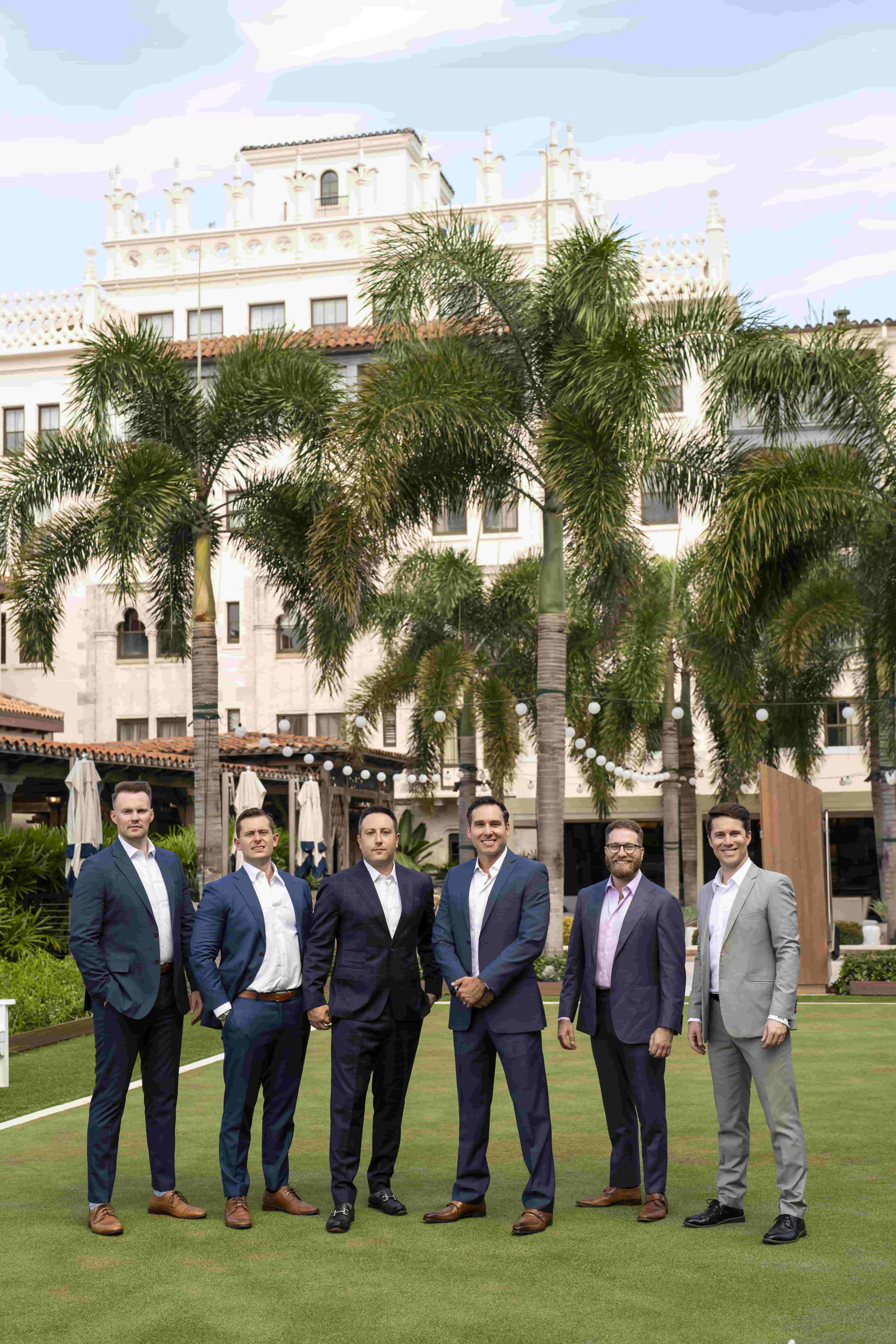
Our Florida nursing home abuse attorneys specialize in bringing negligence and wrongful death claims against negligent facilities.
Senior Justice Law Firm is the largest nursing home negligence firm in Florida, and the majority of our cases involve wrongful death allegations.
Call us at 888-375-9998 to speak with our narrowly focused elder abuse attorneys now.
The consultation is free and we only get paid if we make a recovery on your case.
Call or live chat with Senior Justice Law Firm today to learn more about your rights.
 Legal Nurse Consultant

