

 Reviewed by
Preventing Falls in Assisted Living Facilities: Fall Risk Assessments & Legal Rights
Falls are one of the most common and preventable injuries in assisted living facilities. For many families, the decision to move a loved one into assisted living is based on the promise of a safer environment. But without proper care, supervision, and regular fall risk assessments, residents remain vulnerable to serious injuries.
At Senior Justice Law Firm, we’ve handled hundreds of cases involving preventable falls in assisted living facilities. We understand how frustrating it is to learn your loved one’s fall could have been avoided with basic precautions. In this article, we’ll explain how assisted living fall risk assessments work, strategies for preventing falls in assisted living, and what to do if your loved one was hurt due to facility neglect.
Was the assisted living fall negligence? Free Case Consultation with our Assisted Living Facility Neglect Attorneys: 888-375-9998
#1. Properly Assess Fall Risk Upon Admission
In order to prevent falls in assisted living, you need to know who is at risk for falling. Federal regulations require that every ALF resident be assessed for fall risk. Fall risk assessment can be completed through a Morse Fall Score assessment.
#2 Reassess Fall Risk After Changes in Condition
A resident can be admitted 3 years ago as an alert, oriented, and independent walker. This may change as their confusion or gait deteriorates. Dementia is a progressing disease. Forgetful and fall risk will increase over time. As a result, when the resident’s condition changes, the assisted living facility must re-assess the resident’s fall risk.
#3 Assist At-Risk Residents to the Toilet
Most assisted living facility falls occur during trips to the bathroom. For this reason, it is important to educate residents to use the call bell when they need to use the restroom. Also, a toileting schedule can be initiated for residents who suffer from confusion or memory loss.
#4 Remove Clutter and Debris from Rooms, Hallways, and Bathrooms
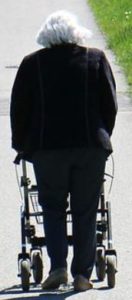
Resident apartments should be free of clutter and fall hazards. Many assisted living facility residents use walkers and wheelchairs, so wide unobstructed hallways are a must. Loose cords, boxes, or rugs present a major fall hazard in impaired assisted living residents.
#5 Chair Alarms and Bed Alarms
For confused residents that do not follow instruction, bed and chair alarms ring when they get up and attempt to walk without assistance. This lets nurses and staff know when the high risk resident is getting out of bed.
#6 Low Beds and Floor Pads
ALF fall risk residents should have low beds and pads around their bed in order to prevent injury in the event of a fall. This way, if they do roll out of bed, the chance of a fracture is much less.
#7 Adequate Staff Numbers
Facilities like to understaff in order to make more money. The A.L.F. should provide adequate staff numbers in order to supervise and assist residents while walking. If adequate assisted living staff are provided, resident falls greatly decrease.
#8 Personal Aides or Private Duty Aides
In light of the low staff numbers in assisted living, there are oftentimes not enough hands on deck. If repeated falls are a problem in the A.L.F., management may (or should) recommend that you hire a part time private aide for your parent. Private aides provide 1 to 1 care and supervision. This greatly reduces falls in assisted living.
#9 Sending High Acuity Residents Out!
You have to know when to hold ’em and know when to fold ’em. If an assisted living facility cannot stop falls in a resident, they need to discharge the resident to a higher care facility, like a skilled nursing home. Recently, there has been a shift in the booming assisted living industry regarding falls. The industry is recognizing it needs to do more to prevent assisted living falls by integrating a medical care component into assisted living.
#10 Bringing Lawsuits Over Preventable Assisted Living Fall Injuries
It is considered assisted living malpractice to simply allow a resident to continuously fall. Most of our ALF fall lawsuits involve a resident who suffers a series of falls without appropriate interventions. Instead of analyzing the care plan or determining appropriateness for continued residency, the ALF simply ignores the problem, keeps the resident in-house, and fails to propose any changes. As a result, the falls continue and eventually, one results in serious harm or death to the resident.
In order to stop this cycle, you must hit the assisted living facility in the pocketbook. By taking money from the facility, you are ensuring that this kind of negligence does not happen again. When a CEO has to sign a large settlement check, he or she will surely get the attention of the director, the head nurse and all the facility staff. In our experience as assisted living negligence lawyers, some of the best practices come out of a corporation wanting to make sure they do not have to pay out large civil suit settlements.
ALF Fall Lawsuits – Free Consultation
If you believe your loved one wrongfully fell and injured themselves, contact our skilled assisted living facility abuse attorneys today to discuss your potential ALF fall lawsuit. The consultation is free, and we only get paid if we win money for your family. There is never any out-of-pocket expense to retain our law firm.
The lawyers at Senior Justice Law Firm are here to help. Call us for your free assisted living facility fall case evaluation: 888-375-9998.
 Legal Nurse Consultant

