

 Reviewed by
“How Could This Happen?” An 83-Year-Old Resident Was Found in a Walk-In Freezer.
What Families Need to Know About Assisted Living Liability
An assisted living facility exists to protect older adults, especially those living with dementia, from exactly the kinds of dangers they can no longer safely navigate on their own. That’s why the recent reports out of Trinity, Florida are so disturbing.
William “Gene” Ray, an 83-year-old Navy veteran with dementia, was found dead inside a walk-in freezer at The Waverly Assisted Living and Memory Care after going missing from his room in late September. The story has made national and local news, and the investigation is ongoing.
As Florida assisted living facility negligence attorneys, this is deeply disturbing. In this post, we’ll explain in plain English what appears to have happened. Our ALF negligence lawyers will analyze the legal duties assisted living facilities owe to residents, the safety failures that can turn a foreseeable risk into a fatal event, and the civil liability that may follow.
How Did This Vulnerable Assisted Living Resident End Up in the Freezer at The Waverly Assisted Living and Memory Care?
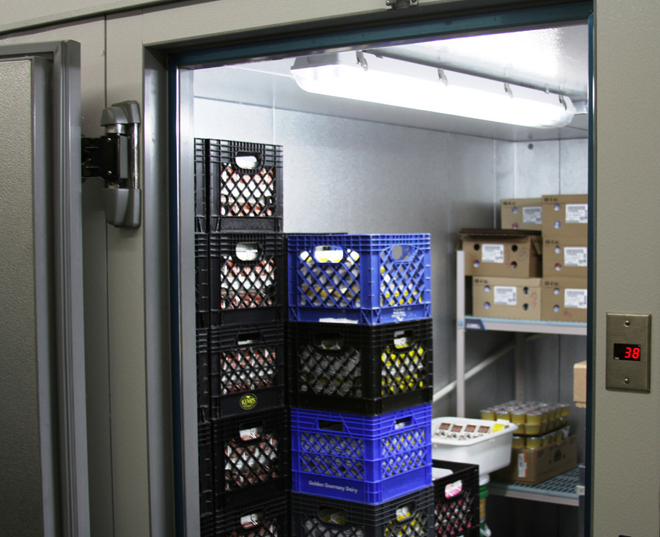
Concerned for his wellbeing, Eugene Ray’s daughter installed a camera in his room. She saw that her father was not in bed one morning. The Ray family then contacted the facility, which began looking for him. He was later discovered inside a walk-in freezer at The Waverly ALF and pronounced dead after transport. Authorities have said they do not suspect foul play at this time. We know that Gene Ray was 83 at the time of his passing and was diagnosed with dementia.
No one needs a law degree to feel the gut-level shock here. A resident with cognitive impairment should never be able to wander into a commercial kitchen area, much less have access to a walk-in freezer. How was this area accessible to memory care residents? Where was the supervision? Even while investigations continue, the potential points of failure are not hard to recognize.
The Legal Duties an Assisted Living Facility Owes Residents with Dementia
Florida law (Chapter 429, Florida Statutes) and its implementing regulations (F.A.C. 59A-36) require assisted living facilities (including memory care units) to provide adequate supervision, a safe physical environment, and staff who are trained to meet each resident’s assessed needs. In everyday terms, that means:
- Assess the risk: On admission and routinely thereafter, evaluate whether a resident is at risk of wandering or unsafe exit (“elopement”).
- Care plan to the risk: Put specific measures in writing—from door alarms and secured areas to increased rounding frequency—to keep the resident safe.
- Staff to the plan: Ensure enough trained staff are present at all times to carry out the plan.
- Control hazardous areas: Restrict resident access to back-of-house spaces (kitchens, maintenance corridors, storage rooms) and any equipment or rooms that pose obvious danger—including walk-in freezers.
- Monitor and respond: If a resident can’t be found, immediately escalate: initiate internal search protocols, notify 911 when warranted, and promptly inform family and regulators.
If you strip away the legalese, the standard is simple: know your residents, secure your building, and watch your people.
How an ALF Freezer Death Can Happen, and Where Liability May Arise
Below are failure points that assisted living facility negligence attorneys and safety experts will scrutinize in a case like this. Each can support a claim that the facility did not meet the applicable standard of care.
1) Access control failure: a resident reached a restricted, dangerous room
Commercial freezers are not casual storage closets; they’re industrial appliances with heavy insulated doors, powerful compressors, and temperatures cold enough to cause hypothermia within minutes. Memory-care residents should never be able to reach them unaccompanied. If a facility leaves a kitchen door propped, lacks self-closing/locking hardware, or fails to keep back corridors secured, it’s inviting disaster. The fact pattern reported—an elder with dementia ultimately found inside a freezer—strongly suggests a barrier failure between resident-safe areas and restricted zones. The fact that Mr. Ray got access to the freezer shows the area was negligently secured.
2) Elopement prevention failure: alarms, rounds, and supervision
Residents with dementia are at risk of wandering. Facilities must use a combination of door alarms, wander-guard systems, video monitoring where permitted, and physical rounding to keep eyes on residents likely to exit rooms. Here, the family reportedly noticed the absence on a room camera feed before staff located Mr. Ray, which raises questions about timeliness of staff checks, whether alarms were installed and functioning, and how long he was unaccounted for. Why did the Ray family know that Gene was missing before the facility staff in this supposed 24-hour facility?
3) Delay in search/response
Once staff learn a resident is missing, every minute matters. Policies should call for immediate lockdown of hazardous areas (kitchens, loading bays, stairwells), coordinated search patterns, and rapid escalation to law enforcement/EMS when the resident isn’t found within minutes. The timeline of who knew what, when, and how staff responded, will be crucial evidence of whether the facility acted reasonably.
4) Inadequate staffing or training
Even the best plan fails when too few people are on duty or when they’re not trained. Was the facility short-staffed at shift change or early morning? Did staff understand elopement risk and freezer/kitchen controls? Were agency or new hires working without adequate orientation? Why did no one notice Mr. Ray roaming around unsupervised? Why did it take the Ray family calling the facility to report Gene was not in his room in order to catalyze an investigation into where Mr. Ray was?
Chronic short staffing is a recurring theme in elder-care cases. If it existed here, it may be the proximate cause of the tragedy.
5) Physical plant and maintenance lapses
Beyond locks and alarms, facilities must maintain clear signage (“Employees Only”), self-closing doors, and internal safety mechanisms. Many modern walk-ins have glow-in-the-dark internal releases and alarm buttons. If the freezer lacked a safety functioning inside release or if it was defective or obstructed, that’s a separate and serious safety failure.
6) Post-incident reporting and transparency
Florida rules require timely reporting of serious adverse incidents to regulators and families. The public record already reflects the Ray family’s frustration and calls for answers. If the facility delayed disclosure, minimized the event, tried to conceal their wrongdoing, or failed to preserve evidence (video, access logs), that compounds liability, erodes trust, and evidences a guilty mindset.
Legal Theories that May Apply in this ALF Wrongful Death Case
While every case turns on its facts, tragedies like this commonly involve one or more of the following claims:
- Negligence / Wrongful Death: The facility breached its duty to provide reasonable safety and supervision, causing death.
- Violation of Resident Rights (Assisted Living): Florida law guarantees residents the right to safe, dignified care; violations can support damages and sometimes attorney’s fees.
- Negligent Hiring/Retention/Supervision: If staffing levels were inadequate or staff were untrained, those management decisions may be actionable.
- Premises Liability: Failure to secure dangerous areas (kitchen and freezer) against foreseeable entry by vulnerable residents.
- Negligent Security / Access Control: Lax badge control, broken door hardware, or disabled alarms that allowed entry to restricted spaces.
- Spoliation / Evidence Preservation Issues: If critical footage or logs are not retained.
To put it bluntly, a memory-care resident ending up inside a commercial freezer is not a mystery of nature. It is almost always the result of stacked, preventable failures. Florida law provides the Ray family a remedy under Chapter 429 of the Florida Statutes, should they want to hold The Waverly Assisted Living and Memory Care accountable.
“Accident” vs. Accountability
Some reports quote officials saying the death appears accidental in the sense that no one intentionally harmed the resident. Families often hear this and worry it means no one is responsible. That’s not how civil accountability works.
A death can be “accidental” and the product of negligence, for example, when foreseeable hazards aren’t controlled or when protocols aren’t followed. Civil law asks whether the facility acted with reasonable care given the resident’s condition and the known risks on site. If not, liability may attach. In other words, an ‘accidental’ death does not stop the family from seeking accountability.
Tips for Families Impacted by Assisted Living Negligence
If your loved one was harmed, or if you simply want to pressure-test the safety of their facility, consider the following steps:
- Preserve evidence immediately. Send a written request that the facility retain all video, door-access logs, maintenance records for door hardware and alarms, staffing schedules, and incident reports covering the 48 hours before and after the event.
- Get the paperwork. Request the resident’s assessment and service plan, elopement risk documentation, and any change-in-condition notes.
- Ask targeted questions. Which doors are secured? How are back-of-house areas restricted? Who checks kitchen/freezer doors at night? How often are rounds and door-alarm tests performed—and where is that documented?
- Speak with counsel early. An experienced elder abuse attorney can issue preservation letters, obtain records, interview witnesses, and engage forensic experts to evaluate access control and life-safety systems.
Why This Matters Beyond The Waverly Assisted Living Facility
Sadly, this is not the first time a vulnerable person has died after entering a commercial freezer or a dangerous, unsecured space. High-profile cases in other settings have led to scrutiny of access control and life-safety design in places where unsupervised residents can inadvertently enter harm’s way. The through-line is constant: when dangerous spaces exist, systems must ensure vulnerable people can’t get in, and if they do, they can get out.
Assisted living communities, especially memory-care units, know their residents may wander. They also know that back-of-house areas contain hazards, from chemical closets to loading docks to refrigerators and freezers. The law expects facilities to connect those dots before a family gets a life-altering phone call.
The Senior Justice Law Firm Commitment
Senior Justice Law Firm represents families in assisted living and nursing home negligence cases across Florida. If you have questions about what happened at your loved one’s facility, or if you’re unsure whether what you were told lines up with the records, we can help. We investigate, we preserve evidence, and we hold facilities to the standards the law demands.
Gene Ray’s freezer death at the Waverly Assisted Living and Memory Care is particularly outrageous. However, thousands of unfortunate families go through a similar trauma each year, just not involving a freezer. Preventable ALF falls, untreated infections, and elopements are never acceptable.
If you have questions involving your loved one’s mistreatment in an assisted living facility, contact the experienced and compassionate attorneys at Senior Justice Law Firm today: (888) 375-9998. Our Tampa nursing home abuse attorneys can help.
Mr. Ray’s wrongful death cannot go unpunished. As regulators and law enforcement continue to investigate, the public is also calling for accountability and future preventability. We add our voice to theirs: this must be fully explained, and it must never happen again.
 Legal Nurse Consultant

